What Is Systemic Inflammation? How Chronic Inflammation Impacts Metabolism, Aging, and Performance
Systemic inflammation is one of the most important — and misunderstood — drivers of modern chronic health challenges.
Unlike the visible swelling that happens after an injury, systemic inflammation is often silent. It operates beneath the surface, gradually influencing metabolism, cardiovascular function, brain health, recovery capacity, and long-term disease risk.
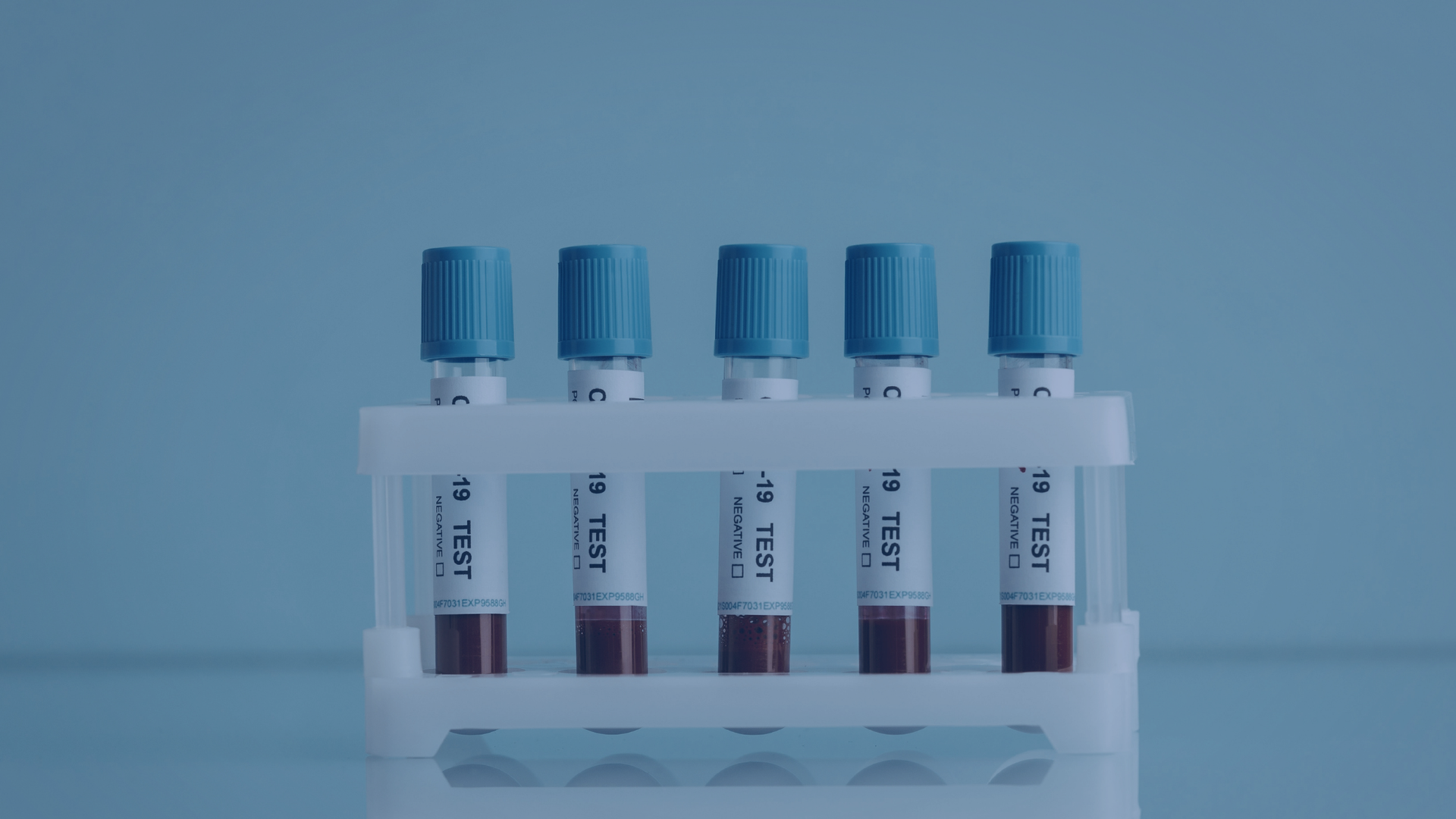
Understanding systemic inflammation is essential for anyone focused on weight optimization, performance, longevity, or chronic condition management. Even more importantly, advances in RNA-based blood testing now allow us to detect
inflammatory pathway activity earlier and more precisely than ever before.
Let’s break it down.
What Is Systemic Inflammation?
Systemic inflammation is a persistent, body-wide state of immune activation.
It differs from acute inflammation, which is short-term and protective. Acute inflammation helps you heal from injury or infection. Systemic inflammation, by contrast, is:
- Low-grade
- Ongoing
- Often symptomless at first
- Driven by chronic biological stress
Rather than being localized to one tissue, it affects multiple systems simultaneously — including metabolic, vascular, immune, and neurological pathways.
Over time, this sustained immune signaling can disrupt normal cellular function and accelerate disease processes.
What Causes Chronic Systemic Inflammation?
Modern lifestyle and environmental factors play a significant role. Common drivers include:
- Excess visceral fat and metabolic dysfunction
- Chronic psychological stress or trauma
- Poor sleep quality
- Diets high in processed foods
- Micronutrient insufficiencies
- Sedentary behavior
- Overtraining without adequate recovery
- Environmental exposures
- Persistent immune triggers
These stressors influence gene expression — turning inflammatory pathways “up” and anti-inflammatory pathways “down.”
What Happens in the Body During Systemic Inflammation?
At the cellular level, systemic inflammation involves:
- Activation of pro-inflammatory cytokine signaling
- Increased NF-κB pathway activity
- Oxidative stress
- Mitochondrial strain
- Immune cell polarization shifts
- Endothelial dysfunction
- Crosstalk between fat tissue and immune cells
Over time, these changes can impair insulin signaling, disrupt vascular function, alter neurotransmitter balance, and reduce tissue repair capacity.
This is why inflammation affects far more than just the immune system.
How Systemic Inflammation Impacts Health
1. Metabolism and Weight Regulation
Chronic inflammation is strongly associated with:
- Insulin resistance
- Weight loss resistance
- GLP-1 response variability
- Visceral fat accumulation
- Metabolic plateau
Inflammatory signaling alters how fat cells and muscle cells respond to insulin and nutrient intake, making fat loss more difficult — even with calorie control.
2. Cardiovascular Health
Persistent inflammation contributes to:
- Endothelial dysfunction
- Arterial stiffness
- Plaque formation signaling
- Increased cardiometabolic risk
The vascular system is highly sensitive to immune signaling changes.
3. Brain Function and Mood
Systemic inflammation can influence:
- Fatigue
- Brain fog
- Stress resilience
- Mood regulation
Inflammatory cytokines interact with neurotransmitter pathways, which may affect motivation, cognition, and recovery from psychological stress.
4. Recovery and Athletic Performance
For athletes and high performers, inflammation may lead to:
- Slower muscle repair
- Increased breakdown signaling
- Overtraining vulnerability
- Reduced mitochondrial efficiency
Balancing training stress with recovery requires managing inflammatory load.
5. Longevity and Biological Aging
Chronic inflammation is closely linked to what researchers call “inflammaging” — age-related immune dysregulation associated with:
- Accelerated biological aging
- Increased chronic disease risk
- Reduced resilience over time
Inflammatory burden is a key longevity variable.
How Is Systemic Inflammation Measured?
Traditional blood tests often assess inflammation using markers such as:
- C-reactive protein (CRP)
- Erythrocyte sedimentation rate (ESR)
- Individual cytokines
While helpful, these markers represent downstream protein responses.
They do not always capture early pathway activation.
The Role of RNA-Based Blood Testing in Inflammation Insights
RNA-based testing evaluates gene expression — measuring which biological pathways are active before changes may appear in traditional protein markers.
Instead of looking only at end-stage inflammatory markers, RNA panels assess:
- Upstream transcriptional activity
- Immune-metabolic signaling shifts
- Stress-response pathway activation
- Pattern-level inflammatory phenotypes
This systems-level insight helps identify inflammatory trends earlier and more precisely.
For metabolic, longevity, and performance-focused providers, this allows:
- Better personalization
- Plateau explanation
- Program validation
- Longitudinal monitoring
- More objective client education
Rather than guessing why progress stalls, providers can assess biological signaling patterns.
Why Systemic Inflammation Matters for Modern Health Optimization
Systemic inflammation is often the missing link when:
- Weight loss plateaus despite compliance
- GLP-1 response varies
- Recovery feels impaired
- Energy remains low
- Chronic conditions resist improvement
Understanding inflammatory signaling helps connect the “why” behind these patterns.
When measured and monitored appropriately, inflammation becomes a modifiable biological variable — not just a vague health concept.
Frequently Asked Questions About Systemic Inflammation
Is systemic inflammation the same as autoimmune disease?
No. Autoimmune disease involves immune attack against specific tissues. Systemic inflammation refers to broader immune activation that may or may not progress to autoimmune conditions.
Can you have systemic inflammation without symptoms?
Yes. Many individuals have low-grade inflammation without noticeable symptoms until metabolic or cardiovascular changes develop.
Does weight loss reduce systemic inflammation?
Reducing visceral fat often lowers inflammatory signaling, but individual responses vary depending on stress, sleep, nutrition, and recovery patterns.
Is inflammation always bad?
No. Acute inflammation is protective and necessary. Chronic, unresolved inflammation is the concern.
Final Takeaway
Systemic inflammation is a persistent immune activation state that influences metabolism, cardiovascular health, brain function, recovery, and aging.
By evaluating gene expression patterns, RNA-based blood testing provides earlier insight into inflammatory pathway activity — helping providers personalize interventions and monitor biological trends over time.
Inflammation is not just a symptom. It is a signal. And understanding that signal changes the conversation around health optimization.
Free PDF Guide
The Precision Wellness Revenue Blueprint
Learn how to add molecular inflammation and metabolic testing to increase client retention, authority, and revenue — without disrupting your existing model.
Built for wellness, hormone, weight loss, recovery, and performance businesses that want measurable progress (not guesswork) to power growth.
Why this matters right now
Clients increasingly demand personalization, proof, and measurable progress. Businesses that provide biological intelligence (not just coaching, supplements, or training) are winning.
- ✓
Increase revenue Higher per-client revenue and premium pricing.
- ✓
Boost retention Improved adherence and longer program cycles.
- ✓
Create recurring income Monitoring cadence supports predictable revenue.
What you’ll learn inside
A practical, business-first blueprint for integrating precision testing as an enhancement layer, premium tier, program anchor, and retention tool.
- ✓
Three revenue models Add-on testing, premium memberships, and data-driven transformation programs.
- ✓
ROI & lifetime value How measurable biology can increase LTV and reduce churn.
- ✓
Positioning upgrade Move from subjective progress to evidence-based conversations clients trust.
Get the free PDF guide
See how precision biology supports premium pricing, stronger retention, and predictable recurring revenue.
Recent Posts